P02_team's
P02_team's
P02_team's
Turning uncertain sensor input into predictable interaction
Turning uncertain sensor input into predictable interaction
Turning uncertain sensor input into predictable interaction
The system translated physical user actions into real-time digital feedback, but reliable interaction depended on more than detecting sensor input. Variations in sensing could produce inconsistent system responses, making the interaction difficult to predict.
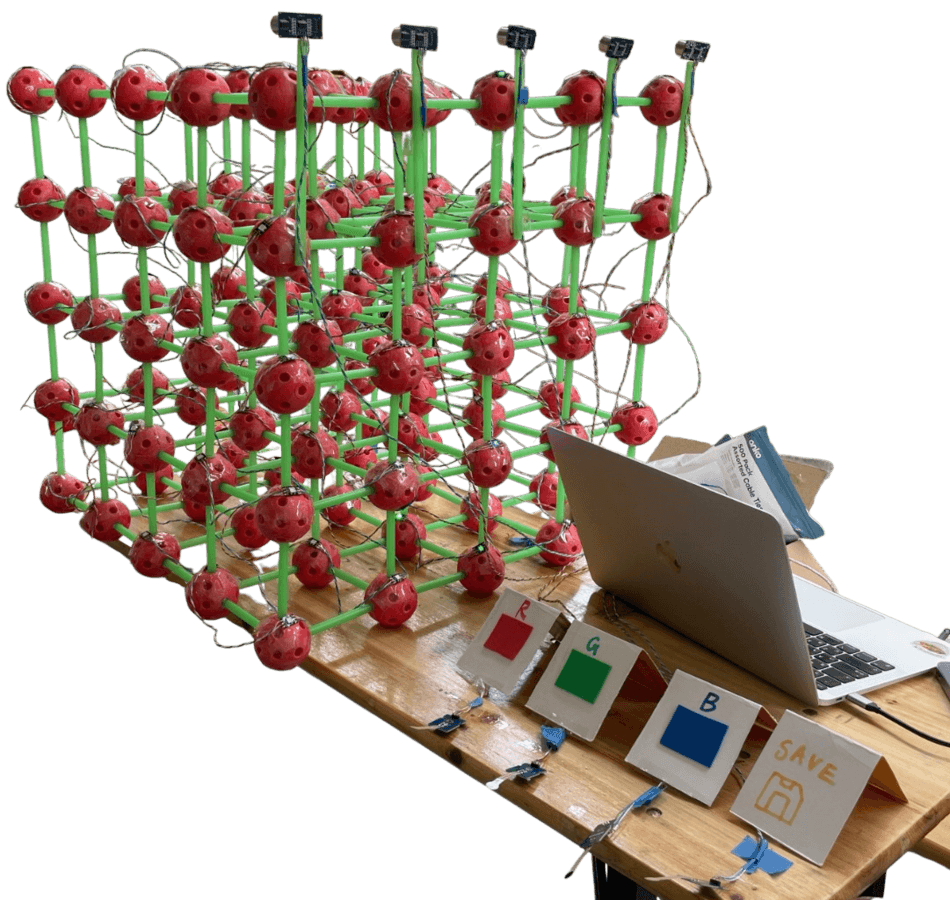
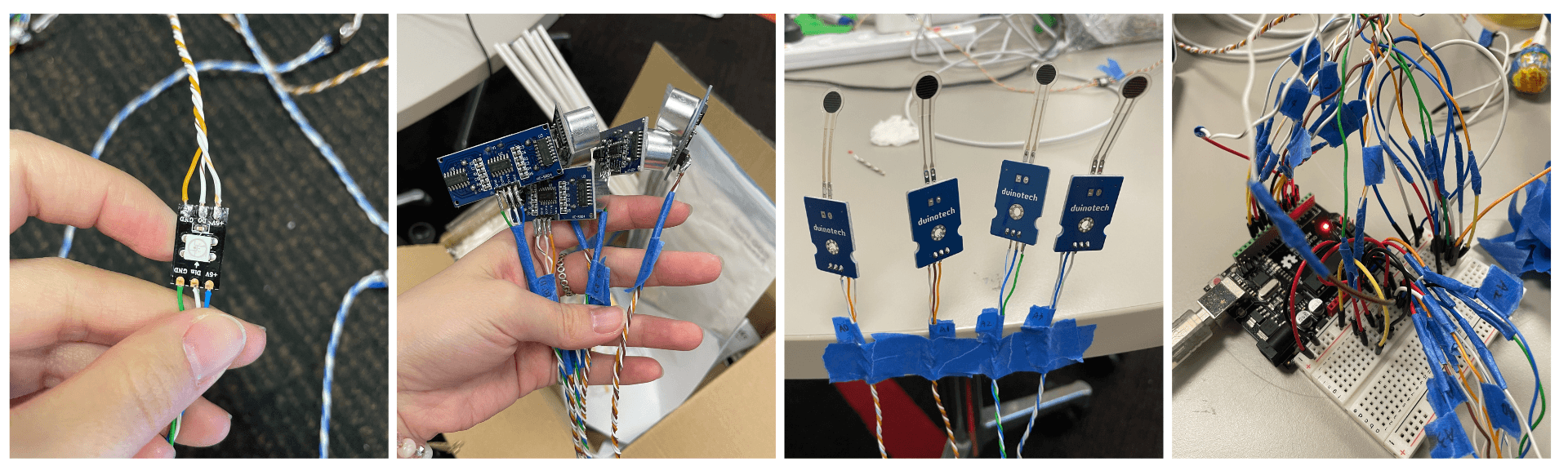
I therefore separated raw sensor readings from interaction behavior, using sensor calibration and signal processing to improve input reliability and a State Machine to control how inputs triggered system responses. I also helped build the physical device, making sure its hardware, form, and materials supported the interaction. Through HW/SW integration, debugging, and validation, the prototype reached 90% sensing accuracy and improved system response speed by 20%, creating a more stable feedback loop between user action, sensing, and system behavior.
Key decision / trade-off
Sensor → Response: simpler, but variations in raw input could directly affect interaction behavior.
Sensor → Processing → State Machine → Response: adds control logic, but makes system behavior more predictable and testable.
Decision: treat reliable interaction as a system-state problem, rather than relying on individual sensor readings alone.
Takeaway: Reliable physical interaction requires translating uncertain sensor input into predictable system behavior.
Arduino · C++ · Signal Processing · State Machine · HW/SW Integration
The system translated physical user actions into real-time digital feedback, but reliable interaction depended on more than detecting sensor input. Variations in sensing could produce inconsistent system responses, making the interaction difficult to predict.
I therefore separated raw sensor readings from interaction behavior, using sensor calibration and signal processing to improve input reliability and a State Machine to control how inputs triggered system responses. I also helped build the physical device, making sure its hardware, form, and materials supported the interaction. Through HW/SW integration, debugging, and validation, the prototype reached 90% sensing accuracy and improved system response speed by 20%, creating a more stable feedback loop between user action, sensing, and system behavior.
Key decision / trade-off
Sensor → Response: simpler, but variations in raw input could directly affect interaction behavior.
Sensor → Processing → State Machine → Response: adds control logic, but makes system behavior more predictable and testable.
Decision: treat reliable interaction as a system-state problem, rather than relying on individual sensor readings alone.
Takeaway: Reliable physical interaction requires translating uncertain sensor input into predictable system behavior.
Arduino · C++ · Signal Processing · State Machine · HW/SW Integration
The system translated physical user actions into real-time digital feedback, but reliable interaction depended on more than detecting sensor input. Variations in sensing could produce inconsistent system responses, making the interaction difficult to predict.
I therefore separated raw sensor readings from interaction behavior, using sensor calibration and signal processing to improve input reliability and a State Machine to control how inputs triggered system responses. I also helped build the physical device, making sure its hardware, form, and materials supported the interaction. Through HW/SW integration, debugging, and validation, the prototype reached 90% sensing accuracy and improved system response speed by 20%, creating a more stable feedback loop between user action, sensing, and system behavior.
Key decision / trade-off
Sensor → Response: simpler, but variations in raw input could directly affect interaction behavior.
Sensor → Processing → State Machine → Response: adds control logic, but makes system behavior more predictable and testable.
Decision: treat reliable interaction as a system-state problem, rather than relying on individual sensor readings alone.
Takeaway: Reliable physical interaction requires translating uncertain sensor input into predictable system behavior.
Arduino · C++ · Signal Processing · State Machine · HW/SW Integration